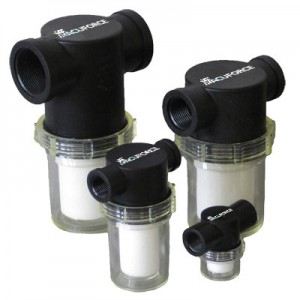
Vacuum Filters for Vacuum Pumps, Venturi Generators & Vacuum Automation Systems
Vacuum filters are one of the most important components in any vacuum system. Their primary purpose is to protect vacuum pumps, vacuum venturi generators, vacuum valves and other vacuum components from contamination, debris, dust, cardboard fibers, wood particles and process material that can damage equipment or reduce performance.
A properly selected vacuum filter improves system reliability, reduces maintenance requirements and extends the operating life of expensive vacuum equipment. Whether you are handling cartons, wood products, plastic parts, packaging materials, sheet metal or CNC router applications, vacuum filtration is critical for long-term system performance.
Download Vacuum Filters Datasheet PDF
What Is a Vacuum Filter?
A vacuum filter is installed within a vacuum circuit to remove airborne contaminants and debris before they reach the vacuum source. Unlike compressed air filters that protect downstream pneumatic equipment, vacuum filters protect upstream vacuum generators, pumps and control components from contamination entering through the suction side of the system.
Without proper filtration, debris can clog vacuum venturi nozzles, damage vacuum pump internals, reduce vacuum flow and cause unexpected equipment failures.
Why Are Vacuum Filters Important?
Vacuum systems often operate in dusty or contaminated environments where products release particles during handling. Corrugated cartons can generate paper dust, wood products can release sawdust, and packaging materials can shed fibers and debris. These contaminants are easily drawn into the vacuum system and can quickly damage sensitive vacuum equipment.
Installing a vacuum filter helps prevent contamination from reaching the vacuum source while maintaining consistent vacuum performance and reducing maintenance costs.
Types of Vacuum Filters Available
- Inline Vacuum Filters: Compact and lightweight filters designed for installation where space is limited. Ideal for robotic tooling and decentralized vacuum systems.
- Plastic Bowl Vacuum Filters: Feature a transparent bowl that allows easy visual inspection of collected debris and filter condition.
- Steel Case Vacuum Filters: Designed for demanding industrial environments where maximum durability and impact resistance are required.
- Large Port Vacuum Filters: Suitable for high-flow vacuum systems, large vacuum pumps and multi-cup vacuum handling applications.
Where Should a Vacuum Filter Be Installed?
The ideal location for a vacuum filter is between the vacuum cups and the vacuum source. This ensures contaminants are captured before they can enter the vacuum generator, venturi ejector or vacuum pump.
In robotic automation systems, filters are often mounted directly on the end-of-arm tooling or close to the vacuum generator to maximize protection and simplify maintenance.
Common Applications for Vacuum Filters
- Vacuum venturi generators
- Vacuum pumps
- Robotic pick-and-place systems
- Carton and case handling
- CNC router vacuum systems
- Woodworking automation
- Packaging machinery
- Plastic part handling
- Sheet material handling
- Vacuum cup automation systems
Why Vacuum Filter Selection Matters
Choosing the correct vacuum filter involves more than simply matching the port size. Filter flow capacity must be large enough to prevent excessive pressure loss while maintaining effective contamination protection. An undersized filter can restrict vacuum flow and reduce overall system performance.
The correct filter element, housing design and flow capacity help maintain maximum vacuum performance while protecting valuable vacuum equipment from damage.
Vacuum Filters and Venturi Generators
Vacuum venturi generators contain precision-machined nozzles and extremely small internal orifices. Even small particles can block these passages and dramatically reduce vacuum performance. For this reason, a vacuum inlet filter should always be used with a venturi generator to prevent contamination and maximize reliability.
Frequently Asked Questions
What does a vacuum filter do?
A vacuum filter removes dust, debris and contaminants from the vacuum airflow before they can enter and damage vacuum pumps, venturi generators, valves and other vacuum components.
Do I need a vacuum filter with a venturi generator?
Yes. Vacuum venturi generators contain small precision nozzles that can become blocked by dust, cardboard fibers and debris. A vacuum filter helps protect the generator and maintain performance.
Where should a vacuum filter be installed?
A vacuum filter is normally installed between the vacuum cups and the vacuum source so contaminants are captured before reaching the vacuum generator or pump.
Can a dirty vacuum filter reduce performance?
Yes. A clogged filter can restrict vacuum flow, slow evacuation times and reduce the overall performance of the vacuum system.
What is the difference between a vacuum filter and a compressed air filter?
A vacuum filter protects vacuum equipment on the suction side of the system, while a compressed air filter protects pneumatic equipment on the pressure side of the system.
How often should vacuum filters be serviced?
Service intervals depend on the application and contamination levels. Filters should be inspected regularly and cleaned or replaced as required.
What applications require vacuum filtration?
Vacuum filtration is recommended for virtually all vacuum systems, including carton handling, woodworking, CNC routing, packaging machinery, robotic automation and vacuum pump installations.
How do I choose the correct vacuum filter?
Select a vacuum filter based on flow rate, port size, vacuum level, contamination type, maintenance requirements and the vacuum equipment being protected.

 .pf-pneumatic-components-category{width:100%;font-family:Arial,Helvetica,sa..
 .pf-zh-venturi-category{ width:100%; font-family:Arial,Helvetica,sans-s..
 .vf-red-category{width:100%;font-family:Arial,Helvetica,sans-serif;line-hei..
 .vf-red-category{width:100%;font-family:Arial,Helvetica,sans-serif;line-hei..
 .vf-red-category{width:100%;font-family:Arial,Helvetica,sans-serif;line-hei..
 .vf-red-category{width:100%;font-family:Arial,Helvetica,sans-serif;line-hei..
 .pf-vtm-venturi-category{ width:100%; font-family:Arial,Helvetica,sans-..
 .pf-venturi-cartridge-category{ width:100%; font-family:Arial,Helvetica..
 .pf-pneumatic-components-category{width:100%;font-family:Arial,Helvetica,sa..
 .pf-cv-venturi-category{ width:100%; font-family:Arial,Helvetica,sans-s..
 .pf-vfmc-category{ width:100%; font-family:Arial,Helvetica,sans-serif; ..
 .vf-red-category{width:100%;font-family:Arial,Helvetica,sans-serif;line-hei..
 .vf-red-category{width:100%;font-family:Arial,Helvetica,sans-serif;line-hei..
 .vf-red-category{width:100%;font-family:Arial,Helvetica,sans-serif;line-hei..
 .vf-red-category{width:100%;font-family:Arial,Helvetica,sans-serif;line-hei..
 .pf-vabs-venturi-category{ width:100%; font-family:Arial,Helvetica,sans..
 .vf-red-category{width:100%;font-family:Arial,Helvetica,sans-serif;line-hei..
 .vf-red-category{width:100%;font-family:Arial,Helvetica,sans-serif;line-hei..
 .vf-red-category{width:100%;font-family:Arial,Helvetica,sans-serif;line-hei..
 .vf-red-category{width:100%;font-family:Arial,Helvetica,sans-serif;line-hei..
 .pf-bellows-cups-category{ width:100%; font-family:Arial,Helvetica,sans..
 .pf-flat-cups-category{ width:100%; font-family:Arial,Helvetica,sans-se..
 .vf-red-category{width:100%;font-family:Arial,Helvetica,sans-serif;line-hei..
 .pf-heavy-duty-cups-category{ width:100%; font-family:Arial,Helvetica,s..
 .pf-conductive-silicone-suction-cups-category{ font-family:Arial,Helvetic..
 .vf-red-category{width:100%;font-family:Arial,Helvetica,sans-serif;line-hei..
 .vf-red-category{width:100%;font-family:Arial,Helvetica,sans-serif;line-hei..
 .pf-foam-seal-cups-category{ width:100%; font-family:Arial,Helvetica,sa..
 .vf-red-category{width:100%;font-family:Arial,Helvetica,sans-serif;line-hei..
 .pf-pneumatic-components-category{width:100%;font-family:Arial,Helvetica,sa..
 .pf-pneumatic-components-category{width:100%;font-family:Arial,Helvetica,sa..
 .pf-pneumatic-components-category{width:100%;font-family:Arial,Helvetica,sa..
 .pf-pneumatic-components-category{width:100%;font-family:Arial,Helvetica,sa..
 .pf-pneumatic-components-category{width:100%;font-family:Arial,Helvetica,sa..
 .pf-pneumatic-components-category{width:100%;font-family:Arial,Helvetica,sa..
 .pf-pneumatic-components-category{width:100%;font-family:Arial,Helvetica,sa..
 .vf-red-category{width:100%;font-family:Arial,Helvetica,sans-serif;line-hei..
 .pf-vacuum-filter-disks-category{ font-family:Arial,Helvetica,sans-serif; c..
 .pf-inline-vacuum-filters-category{ font-family:Arial,Helvetica,sans-serif;..
 .vf-product-category{ font-family:Arial,Helvetica,sans-serif; color:#33..
 .pf-vacuum-bowl-filters-category{ font-family:Arial,Helvetica,sans-serif; c..
 .vf-red-category{width:100%;font-family:Arial,Helvetica,sans-serif;line-hei..
 .pf-blue-category{width:100%;font-family:Arial,Helvetica,sans-serif;color:#..
 .pf-solenoid-poppet-valves-category{ font-family:Arial,Helvetica,sans-serif..
 .pf-full-port-vacuum-valves-category{ font-family:Arial,Helvetica,sans-seri..
 .pf-barracuda-gripper{ font-family:Arial,Helvetica,sans-serif; font-size:16..
 .vf-red-category{width:100%;font-family:Arial,Helvetica,sans-serif;line-hei..
 Vacuum Grippers for Robotic Pick and Place Automation Vacuforce vacuum gr..
 .vf-red-category{width:100%;font-family:Arial,Helvetica,sans-serif;line-hei..
 .pf-plastic-push-to-connect-fittings-category{ font-family:Arial,Helvetic..
 .pf-stainless-pushin-category{ font-family:Arial,Helvetica,sans-serif; ..
 .pf-metal-push-in-fittings-category{ font-family:Arial,Helvetica,sans-serif..
 .pf-flow-control-category{ font-family:Arial,Helvetica,sans-serif; colo..
 ..
.. .pf-blue-category{width:100%;font-family:Arial,Helvetica,sans-serif;color:#..
 .pf-pneumatic-components-category{width:100%;font-family:Arial,Helvetica,sa..
 .pf-pneumatic-components-category{width:100%;font-family:Arial,Helvetica,sa..
 .pf-blue-category{width:100%;font-family:Arial,Helvetica,sans-serif;color:#..
 .pf-blue-category{width:100%;font-family:Arial,Helvetica,sans-serif;color:#..
 .pf-blue-category{width:100%;font-family:Arial,Helvetica,sans-serif;color:#..
 .pf-air-filter-category{ font-family:Arial,Helvetica,sans-serif; color:..
 .pf-pressure-regulator-category{ font-family:Arial,Helvetica,sans-serif; ..
 .pf-air-lubricator-category{ font-family:Arial,Helvetica,sans-serif; co..
 .pf-filter-regulator-category{ font-family:Arial,Helvetica,sans-serif; ..
 .pf-pneumatic-components-category{width:100%;font-family:Arial,Helvetica,sa..
 .pf-blue-category{width:100%;font-family:Arial,Helvetica,sans-serif;color:#..
 .pf-air-pilot-valve-category{ font-family:Arial,Helvetica,sans-serif; c..
 .pf-brass-solenoid-category{ width:100%; font-family:Arial,Helvetica,sa..
 .pf-stainless-solenoid-category{ font-family:Arial,Helvetica,sans-serif; ..
 .pf-pneumatic-components-category{width:100%;font-family:Arial,Helvetica,sa..
 .pf-blue-category{width:100%;font-family:Arial,Helvetica,sans-serif;color:#..
 .pf-manual-valves-category{ font-family:Arial,Helvetica,sans-serif; col..
 .pf-automatic-valves-category{width:100%;font-family:Arial,Helvetica,sans-s..
 .pf-blue-category{width:100%;font-family:Arial,Helvetica,sans-serif;color:#..
 .pf-blue-category{width:100%;font-family:Arial,Helvetica,sans-serif;color:#..
 .pf-blue-category{width:100%;font-family:Arial,Helvetica,sans-serif;color:#..
 .pf-pneumatic-components-category{width:100%;font-family:Arial,Helvetica,sa..
 .pf-blue-category{width:100%;font-family:Arial,Helvetica,sans-serif;color:#..
 .pf-blue-category{width:100%;font-family:Arial,Helvetica,sans-serif;color:#..
 .pf-pneumatic-components-category{width:100%;font-family:Arial,Helvetica,sa..
 .pf-pneumatic-components-category{width:100%;font-family:Arial,Helvetica,sa..
 .pf-blue-category{width:100%;font-family:Arial,Helvetica,sans-serif;color:#..
 .pf-pneumatic-components-category{width:100%;font-family:Arial,Helvetica,sa..