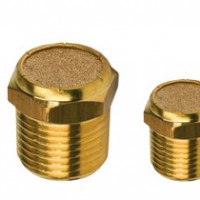
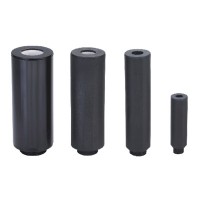
BSLM-M5 Brass Pneumatic Breather Vent - 10-32 UNF
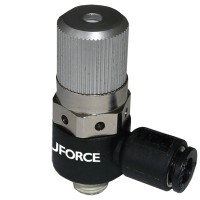
The BSLM-M5 is a brass threaded breather vent for components that need a path for air to enter or leave as pressure conditions change. This 10-32 UNF fitting is intended for suitable pneumatic housings or vent ports; its primary role is pressure equalization, not adjustable cylinder-speed control or emergency overpressure protection.
Technical Specifications
| Specification | Details |
|---|---|
| Part Number | BSLM-M5 |
| Product Type | Pneumatic breather vent |
| Thread Connection | 10-32 UNF |
| Body Material | Brass |
| Function | Air exchange and pressure equalization |
| Application | Pneumatic housings and vent ports |
| HTS Code | 8481.90.9040 |
Why Does a Pneumatic Component Need a Breather?
An enclosed cavity can develop a pressure difference as internal volume, temperature or operating conditions change. A breather provides a route for air exchange so that the housing does not act like an unintended sealed chamber.
On a suitable valve or actuator accessory, the vent can prevent trapped air from affecting movement or operation. It must be installed only where the circuit is designed to vent; not every threaded port is a breather port.
Why Use a Brass Breather?
A brass threaded body provides a compact, machinable connection suitable for many industrial pneumatic assemblies. It also avoids aluminum-on-aluminum thread contact when fitted to an aluminum housing, although compatibility and corrosion conditions must still be considered.
The vent pathway must stay clear. Dirt or oil contamination can restrict air exchange, while unsuitable environments may require additional filtration or protection selected for the application.
A Breather Is Not a Safety Relief Valve
A breather is not designed to set a regulated pressure or act as a certified overpressure safety device. Do not substitute it for a relief valve, regulator or dedicated exhaust-control component.
Match the 10-32 UNF connection and verify that the receiving port is specifically intended for pressure equalization or venting.
Typical Applications
- Designed vent points on pneumatic components
- Valve housings or enclosures requiring air exchange
- Industrial automation assemblies with dedicated breather ports
Selection and installation: Use only at a designated vent point, not at an arbitrary pressurized port. Do not treat a breather as a pressure-relief device; check suitability and contamination exposure.
Frequently Asked Questions
What is the purpose of a pneumatic breather?
It allows air to move into or out of a component through a designated vent port as pressure conditions change, helping equalize the enclosed space.
Is a breather vent the same as an exhaust muffler?
No. A breather is selected mainly for air exchange or pressure equalization. An exhaust muffler is selected mainly to attenuate the noise from flowing compressed air.
Can a breather replace a pressure-relief valve?
No. It is not a pressure regulator or a certified relief device. Use the appropriate safety device wherever overpressure protection is required.
What happens if the vent becomes blocked?
Restricted air exchange can allow unwanted pressure differences to develop in a housing. Inspect the vent where contamination is possible.
How do I check the connection?
This version is listed with a 10-32 UNF thread. Confirm the exact matching port and thread standard before installation.
Ships from Indianapolis, USA
- Stock: 4
