Pneumatic Components for Industrial Automation and Compressed Air Systems
Pneuforce offers a complete range of pneumatic components designed for industrial automation,
machine building, OEM equipment, packaging machinery, robotics and compressed air systems.
Our products help engineers, maintenance professionals and machine builders create reliable
pneumatic circuits that deliver precise motion control, efficient air management and long service life.
From air preparation equipment and pneumatic valves to push-to-connect fittings, flow controls
and pneumatic tubing, Pneuforce supplies the critical components needed to build and maintain
modern pneumatic systems. Products are selected for reliability, performance and compatibility
with demanding industrial environments.
Complete Pneumatic Product Range
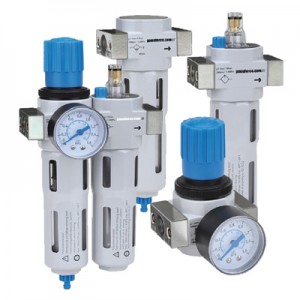
Air Preparation
Filters, regulators, lubricators and combination FRL units help remove contaminants,
regulate pressure and prepare compressed air for downstream equipment.
View Air Preparation →
Pneumatic Valves
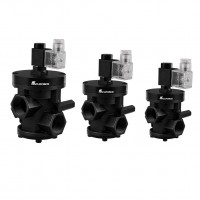
Solenoid, manual and mechanically operated valves provide accurate directional control
for pneumatic cylinders, actuators and automated machinery.
View Pneumatic Valves →
Push-to-Connect Fittings
Quick-connect pneumatic fittings provide secure, leak-resistant tubing connections
for machine building, automation and compressed air systems.
View Push-to-Connect Fittings →
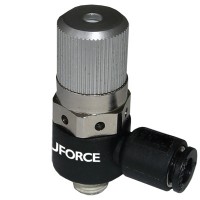
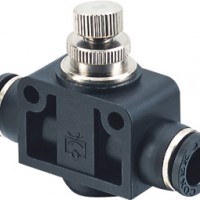
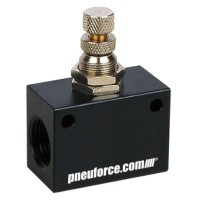
Flow Controls
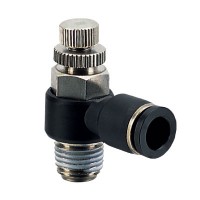
Speed controllers and flow control valves regulate actuator movement and help improve
cycle consistency while reducing mechanical shock.
View Flow Controls →
Pneumatic Tubing
Flexible pneumatic tubing and related accessories support dependable compressed air
distribution throughout industrial equipment.
View Pneumatic Tubing →
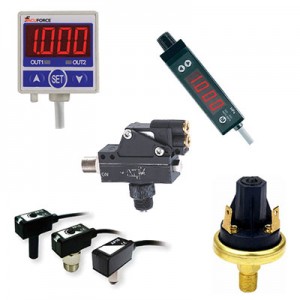
Pressure Monitoring
Pressure gauges, switches and monitoring devices help operators confirm system pressure
and identify changes in pneumatic performance.
View Pressure Monitoring →
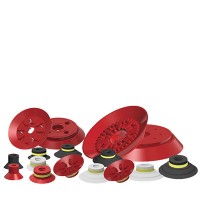
Vacuum Components
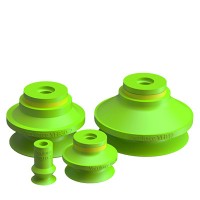
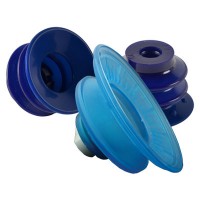
Vacuum generators, suction cups, switches, filters and accessories support automated
handling, gripping and pick-and-place applications.
View Vacuum Components →
What Are Pneumatic Components?
Pneumatic components are devices used to generate, control, regulate and distribute compressed
air within a pneumatic system. These components work together to create motion, operate machinery
and automate industrial processes.
A typical pneumatic system consists of air preparation equipment, valves, fittings, tubing,
cylinders and control devices. Each component plays an important role in ensuring reliable and
efficient machine operation.
Compressed air first passes through air preparation equipment before being directed through
valves and tubing to pneumatic cylinders, rotary actuators, grippers or other devices. Flow
controls and pressure regulators allow the system to be adjusted for the required speed, force
and operating conditions.
Air Preparation Components and FRLs
Filters, regulators and lubricators are commonly referred to as FRLs. These products prepare
compressed air before it enters downstream equipment by removing contaminants, controlling
pressure and providing lubrication when required.
Compressed air can contain water, compressor oil, rust, pipe scale and other contaminants.
Without adequate filtration, these contaminants can cause premature seal wear, valve sticking,
inconsistent operation and reduced equipment life.
Pressure regulators maintain a stable downstream pressure even when the main plant air supply
fluctuates. Lubricators introduce a controlled amount of oil mist when specific pneumatic
components require lubrication.
Proper air preparation can significantly increase the lifespan of valves, cylinders and
pneumatic equipment while reducing maintenance costs and unplanned downtime.
Pneumatic Valves and Flow Control
Pneumatic valves control the direction, pressure and flow of compressed air throughout a
pneumatic circuit. Solenoid valves allow PLCs and machine control systems to automate equipment
operation, while manual and mechanically operated valves provide local or operator-controlled
air management.
Directional control valves route compressed air to cylinders, actuators and other pneumatic
devices. Depending on the valve configuration, they can extend and retract double-acting
cylinders, operate single-acting cylinders or control pneumatic pilot signals.
Flow controls allow precise cylinder speed adjustment by restricting airflow entering or
leaving an actuator. Correct flow control helps improve cycle consistency, reduce mechanical
shock and protect machinery from sudden movement.
Push-to-Connect Fittings and Pneumatic Connections
Push-to-connect fittings provide fast, secure and leak-resistant connections for pneumatic
tubing. Available in brass, composite and stainless steel constructions, these fittings are
among the most widely used connection methods in modern pneumatic systems.
Installation is completed by inserting properly prepared tubing into the fitting until it
reaches the internal tube stop. The release collar allows the tube to be removed when
maintenance or circuit changes are required.
Push-to-connect fittings are available in many configurations, including straight unions,
male connectors, elbows, tees, bulkhead fittings, reducers and swivel fittings. Their
tool-free installation simplifies machine assembly and maintenance while helping reduce
installation time.
Key Benefits of Pneuforce Pneumatic Components
1
Reliable Performance
Components are selected for dependable operation in industrial automation,
machine building and compressed air applications.
2
Broad Product Range
Pneuforce provides valves, fittings, air preparation equipment, flow controls,
tubing and supporting pneumatic accessories.
3
Easy Installation
Practical connection options and standardized pneumatic interfaces help simplify
equipment assembly and maintenance.
4
System Compatibility
Products are available in common thread types, tubing sizes, electrical voltages
and pneumatic configurations.
5
Technical Support
Application assistance is available to help identify the correct component for
specific operating requirements.
6
Industrial Value
Cost-effective products help machine builders and maintenance teams control
equipment costs without sacrificing reliability.
Pneumatic component selection:
Always confirm operating pressure, required airflow, port size, tubing size,
thread type, temperature range, electrical voltage and environmental conditions
before ordering.
Common Applications
Industrial Automation
Pneumatic cylinders, valves and controls used throughout automated production systems.
Packaging Machinery
Control of sealing, cutting, indexing, clamping, filling and product handling operations.
Material Handling
Pneumatic equipment used in conveyors, lifts, diverters, stops and transfer systems.
Machine Tools
Air preparation, clamping, part ejection and pneumatic machine control applications.
Robotics and Cobots
Pneumatic grippers, tooling, actuators and vacuum handling systems.
Assembly Machinery
Components used in pressing, positioning, fastening and automated assembly operations.
Food Processing
Pneumatic products used in packaging, conveying and processing equipment.
Pharmaceutical Machinery
Compressed air components for controlled production and packaging systems.
OEM Equipment
Pneumatic components integrated into machinery manufactured for industrial customers.
Compressed Air Systems
General plant air distribution, regulation, filtration and machine connection applications.
Why Choose Pneuforce Pneumatic Components?
Pneuforce products are selected to provide industrial users with reliable,
cost-effective pneumatic solutions supported by North American inventory and
technical assistance.
Whether you are designing a new machine, upgrading an existing pneumatic circuit
or replacing worn components, Pneuforce offers the valves, fittings, air preparation
equipment and accessories needed to keep compressed air systems operating efficiently.
Our broad product range allows machine builders, distributors, OEMs and maintenance
departments to source compatible pneumatic products from one dependable supplier.
Frequently Asked Questions
What are pneumatic components?
Pneumatic components are devices used to generate, control, regulate and distribute
compressed air within industrial automation and machine control systems. Common
examples include filters, regulators, valves, fittings, tubing, cylinders and
flow controls.
What components are required in a pneumatic system?
Most pneumatic systems include air preparation equipment, directional control
valves, fittings, tubing, cylinders or actuators and control devices. The exact
components depend on the machine function and performance requirements.
What does FRL stand for?
FRL stands for Filter, Regulator and Lubricator. These components prepare compressed
air before it reaches downstream pneumatic equipment by removing contamination,
controlling pressure and adding lubrication when necessary.
Why are air filters important in pneumatic systems?
Air filters remove contaminants, moisture and debris from compressed air. Proper
filtration helps extend the life of valves, cylinders, seals and other pneumatic
components while reducing maintenance problems.
What is a pneumatic solenoid valve?
A pneumatic solenoid valve is an electrically operated valve that controls the
direction and flow of compressed air within a pneumatic circuit. It is commonly
controlled by a PLC, relay, switch or machine control system.
What are push-to-connect fittings?
Push-to-connect fittings allow pneumatic tubing to be connected quickly without
tools. The tubing is pushed into the fitting where an internal gripping mechanism
and seal provide a secure, leak-resistant connection.
How do pneumatic flow controls work?
Flow controls restrict airflow to regulate the speed of pneumatic cylinders and
actuators. They are commonly installed at the cylinder ports or within the pneumatic
circuit to provide smoother, more controlled movement.
What industries use pneumatic components?
Pneumatic components are widely used in manufacturing, packaging, food processing,
pharmaceuticals, robotics, automotive production, material handling, machine tools
and industrial automation.
What are the advantages of pneumatic systems?
Pneumatic systems offer fast response, straightforward installation, reliable
operation, low maintenance requirements and clean operation. They are also well
suited to repetitive industrial automation tasks.
How do I select the correct pneumatic components?
Component selection depends on operating pressure, airflow requirements, tubing
size, port size, thread type, temperature, electrical voltage, environmental
conditions and required machine performance. Pneuforce can assist with product
selection.

 .pf-pneumatic-components-category{width:100%;font-family:Arial,Helvetica,sa..
 .pf-zh-venturi-category{ width:100%; font-family:Arial,Helvetica,sans-s..
 .vf-red-category{width:100%;font-family:Arial,Helvetica,sans-serif;line-hei..
 .vf-red-category{width:100%;font-family:Arial,Helvetica,sans-serif;line-hei..
 .vf-red-category{width:100%;font-family:Arial,Helvetica,sans-serif;line-hei..
 .vf-red-category{width:100%;font-family:Arial,Helvetica,sans-serif;line-hei..
 .pf-vtm-venturi-category{ width:100%; font-family:Arial,Helvetica,sans-..
 .pf-venturi-cartridge-category{ width:100%; font-family:Arial,Helvetica..
 .pf-pneumatic-components-category{width:100%;font-family:Arial,Helvetica,sa..
 .pf-cv-venturi-category{ width:100%; font-family:Arial,Helvetica,sans-s..
 .pf-vfmc-category{ width:100%; font-family:Arial,Helvetica,sans-serif; ..
 .vf-red-category{width:100%;font-family:Arial,Helvetica,sans-serif;line-hei..
 .vf-red-category{width:100%;font-family:Arial,Helvetica,sans-serif;line-hei..
 .vf-red-category{width:100%;font-family:Arial,Helvetica,sans-serif;line-hei..
 .vf-red-category{width:100%;font-family:Arial,Helvetica,sans-serif;line-hei..
 .pf-vabs-venturi-category{ width:100%; font-family:Arial,Helvetica,sans..
 .vf-red-category{width:100%;font-family:Arial,Helvetica,sans-serif;line-hei..
 .vf-red-category{width:100%;font-family:Arial,Helvetica,sans-serif;line-hei..
 .vf-red-category{width:100%;font-family:Arial,Helvetica,sans-serif;line-hei..
 .vf-red-category{width:100%;font-family:Arial,Helvetica,sans-serif;line-hei..
 .pf-bellows-cups-category{ width:100%; font-family:Arial,Helvetica,sans..
 .pf-flat-cups-category{ width:100%; font-family:Arial,Helvetica,sans-se..
 .vf-red-category{width:100%;font-family:Arial,Helvetica,sans-serif;line-hei..
 .pf-heavy-duty-cups-category{ width:100%; font-family:Arial,Helvetica,s..
 .pf-conductive-silicone-suction-cups-category{ font-family:Arial,Helvetic..
 .vf-red-category{width:100%;font-family:Arial,Helvetica,sans-serif;line-hei..
 .vf-red-category{width:100%;font-family:Arial,Helvetica,sans-serif;line-hei..
 .pf-foam-seal-cups-category{ width:100%; font-family:Arial,Helvetica,sa..
 .vf-red-category{width:100%;font-family:Arial,Helvetica,sans-serif;line-hei..
 .pf-pneumatic-components-category{width:100%;font-family:Arial,Helvetica,sa..
 .pf-pneumatic-components-category{width:100%;font-family:Arial,Helvetica,sa..
 .pf-pneumatic-components-category{width:100%;font-family:Arial,Helvetica,sa..
 .pf-pneumatic-components-category{width:100%;font-family:Arial,Helvetica,sa..
 .pf-pneumatic-components-category{width:100%;font-family:Arial,Helvetica,sa..
 .pf-pneumatic-components-category{width:100%;font-family:Arial,Helvetica,sa..
 .pf-pneumatic-components-category{width:100%;font-family:Arial,Helvetica,sa..
 .vf-red-category{width:100%;font-family:Arial,Helvetica,sans-serif;line-hei..
 .pf-vacuum-filter-disks-category{ font-family:Arial,Helvetica,sans-serif; c..
 .pf-inline-vacuum-filters-category{ font-family:Arial,Helvetica,sans-serif;..
 .vf-product-category{ font-family:Arial,Helvetica,sans-serif; color:#33..
 .pf-vacuum-bowl-filters-category{ font-family:Arial,Helvetica,sans-serif; c..
 .vf-red-category{width:100%;font-family:Arial,Helvetica,sans-serif;line-hei..
 .pf-blue-category{width:100%;font-family:Arial,Helvetica,sans-serif;color:#..
 .pf-solenoid-poppet-valves-category{ font-family:Arial,Helvetica,sans-serif..
 .pf-full-port-vacuum-valves-category{ font-family:Arial,Helvetica,sans-seri..
 .pf-barracuda-gripper{ font-family:Arial,Helvetica,sans-serif; font-size:16..
 .vf-red-category{width:100%;font-family:Arial,Helvetica,sans-serif;line-hei..
 Vacuum Grippers for Robotic Pick and Place Automation Vacuforce vacuum gr..
 .vf-red-category{width:100%;font-family:Arial,Helvetica,sans-serif;line-hei..
 .pf-plastic-push-to-connect-fittings-category{ font-family:Arial,Helvetic..
 .pf-stainless-pushin-category{ font-family:Arial,Helvetica,sans-serif; ..
 .pf-metal-push-in-fittings-category{ font-family:Arial,Helvetica,sans-serif..
 .pf-flow-control-category{ font-family:Arial,Helvetica,sans-serif; colo..
 ..
.. .pf-blue-category{width:100%;font-family:Arial,Helvetica,sans-serif;color:#..
 .pf-pneumatic-components-category{width:100%;font-family:Arial,Helvetica,sa..
 .pf-pneumatic-components-category{width:100%;font-family:Arial,Helvetica,sa..
 .pf-blue-category{width:100%;font-family:Arial,Helvetica,sans-serif;color:#..
 .pf-blue-category{width:100%;font-family:Arial,Helvetica,sans-serif;color:#..
 .pf-blue-category{width:100%;font-family:Arial,Helvetica,sans-serif;color:#..
 .pf-air-filter-category{ font-family:Arial,Helvetica,sans-serif; color:..
 .pf-pressure-regulator-category{ font-family:Arial,Helvetica,sans-serif; ..
 .pf-air-lubricator-category{ font-family:Arial,Helvetica,sans-serif; co..
 .pf-filter-regulator-category{ font-family:Arial,Helvetica,sans-serif; ..
 .pf-pneumatic-components-category{width:100%;font-family:Arial,Helvetica,sa..
 .pf-blue-category{width:100%;font-family:Arial,Helvetica,sans-serif;color:#..
 .pf-air-pilot-valve-category{ font-family:Arial,Helvetica,sans-serif; c..
 .pf-brass-solenoid-category{ width:100%; font-family:Arial,Helvetica,sa..
 .pf-stainless-solenoid-category{ font-family:Arial,Helvetica,sans-serif; ..
 .pf-pneumatic-components-category{width:100%;font-family:Arial,Helvetica,sa..
 .pf-blue-category{width:100%;font-family:Arial,Helvetica,sans-serif;color:#..
 .pf-manual-valves-category{ font-family:Arial,Helvetica,sans-serif; col..
 .pf-automatic-valves-category{width:100%;font-family:Arial,Helvetica,sans-s..
 .pf-blue-category{width:100%;font-family:Arial,Helvetica,sans-serif;color:#..
 .pf-blue-category{width:100%;font-family:Arial,Helvetica,sans-serif;color:#..
 .pf-blue-category{width:100%;font-family:Arial,Helvetica,sans-serif;color:#..
 .pf-pneumatic-components-category{width:100%;font-family:Arial,Helvetica,sa..
 .pf-blue-category{width:100%;font-family:Arial,Helvetica,sans-serif;color:#..
 .pf-blue-category{width:100%;font-family:Arial,Helvetica,sans-serif;color:#..
 .pf-pneumatic-components-category{width:100%;font-family:Arial,Helvetica,sa..
 .pf-pneumatic-components-category{width:100%;font-family:Arial,Helvetica,sa..
 .pf-blue-category{width:100%;font-family:Arial,Helvetica,sans-serif;color:#..
 .pf-pneumatic-components-category{width:100%;font-family:Arial,Helvetica,sa..