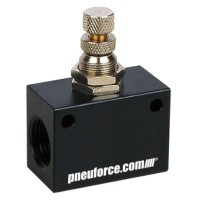
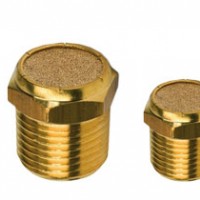
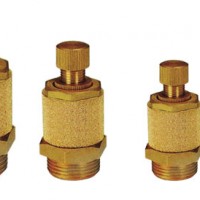
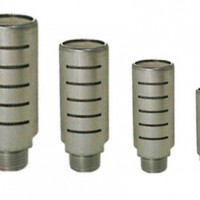
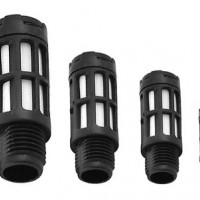
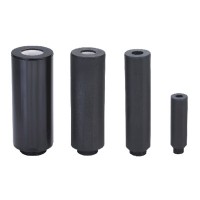
Brass Breather Vents
Brass Breather Vents help manage pneumatic exhaust air, reduce noise and protect open ports in compressed-air and vacuum equipment. Pneuforce offers durable options for a wide range of industrial installations.
Noise Reduction
Helps reduce pneumatic exhaust noise at valves and equipment ports.
Compact Installation
Threaded designs install directly into compatible exhaust or breather ports.
Industrial Construction
Materials are selected for dependable service in pneumatic environments.
Multiple Styles
Choose the silencer, breather or throttle design that suits the application.
Product Overview
Brass Breather Vents for Pneumatic and Compressed Air Equipment
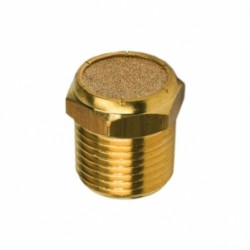
Pneuforce brass breather vents provide clean, unrestricted airflow while preventing dirt, dust and airborne contaminants from entering pneumatic equipment. Manufactured with durable brass bodies and porous sintered bronze elements, these breather vents are commonly installed on pneumatic valves, air reservoirs, gearboxes, pressure regulators, relief ports and other industrial equipment requiring atmospheric venting.
Breather vents help equalize internal pressure while filtering incoming air, protecting sensitive components from contamination and extending equipment service life. They also help reduce venting noise compared to an open threaded port.
Download Pneuforce Breather Vent DatasheetBrass Breather Vent Features
- Durable brass body construction
- Porous sintered bronze breather element
- Filters incoming atmospheric air
- Protects equipment from dust and contaminants
- Allows pressure equalization
- Reduces venting noise
- Simple threaded installation
- Long service life with minimal maintenance
What Is a Breather Vent?
A breather vent, also called a breather plug or vent plug, allows equipment to breathe by permitting air to enter and exit while filtering contaminants from the incoming airflow. This helps prevent pressure build-up or vacuum formation inside enclosed pneumatic or mechanical systems.
The porous sintered bronze element acts as an air filter while allowing unrestricted airflow, making brass breather vents suitable for many industrial compressed air applications.
Why Use a Breather Vent?
Many pneumatic and mechanical systems require atmospheric venting to compensate for pressure changes during normal operation. Without a breather vent, dust, moisture and debris may enter the equipment through an open threaded port, potentially causing contamination and premature wear.
A brass breather vent provides filtered airflow while helping reduce noise and protecting internal components.
Benefits of Brass Breather Vents
- Filters airborne contaminants
- Equalizes internal pressure
- Protects sensitive equipment
- Reduces maintenance requirements
- Simple threaded installation
- Durable corrosion-resistant brass construction
- Long operating life
Common Applications
- Pneumatic Valves: Atmospheric breather and vent ports.
- Pressure Regulators: Relief and vent ports.
- Air Reservoirs: Pressure equalization.
- Gearboxes: Housing ventilation and contamination protection.
- Hydraulic Reservoirs: Atmospheric venting.
- Industrial Automation: General pneumatic and mechanical equipment.
Choosing the Correct Breather Vent
Select the breather vent based on thread size, airflow requirements, operating environment and the equipment manufacturer's specifications. Choosing the correct vent helps maintain proper pressure equalization while protecting equipment from contamination.
Common Applications
Why Choose Pneuforce Brass Breather Vents?
Pneuforce provides dependable industrial pneumatic products supported by practical application assistance. Our team can help confirm sizing, connection, material and operating requirements for new equipment, replacement parts and system upgrades.
Frequently Asked Questions
What does a pneumatic silencer do?
It reduces noise created when compressed air exhausts from a valve, cylinder circuit or pneumatic device.
Where should a silencer be installed?
Install it in the appropriate exhaust port, ensuring the thread size and airflow capacity match the component.
Can a silencer restrict airflow?
Any silencer creates some resistance. Select an adequately sized model and inspect it regularly to avoid excessive back pressure.
What is a breather vent used for?
A breather vent allows air movement while helping protect an opening from debris and contamination.
When should a silencer be replaced?
Replace it if it becomes damaged, heavily contaminated or causes noticeable restriction, slower actuator movement or increased back pressure.
Can silencers be cleaned?
Cleaning suitability depends on material and design. Replacement is often preferred when the element is contaminated or airflow is reduced.
How do I choose the correct thread?
Confirm the equipment port thread form and size before ordering.
Can Pneuforce assist with selection?
Yes. Pneuforce can help match thread size, flow demand, material and silencing requirements.