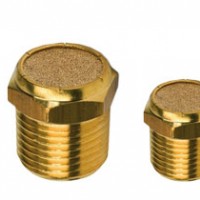
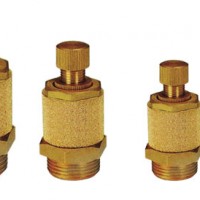
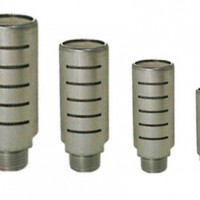
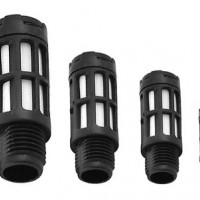
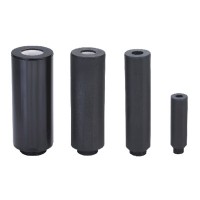
Plastic Exhaust Silencers
Plastic Exhaust Silencers help manage pneumatic exhaust air, reduce noise and protect open ports in compressed-air and vacuum equipment. Pneuforce offers durable options for a wide range of industrial installations.
Noise Reduction
Helps reduce pneumatic exhaust noise at valves and equipment ports.
Compact Installation
Threaded designs install directly into compatible exhaust or breather ports.
Industrial Construction
Materials are selected for dependable service in pneumatic environments.
Multiple Styles
Choose the silencer, breather or throttle design that suits the application.
Product Overview
Plastic Pneumatic Silencers for Valve and Vacuum Exhaust
Pneuforce plastic pneumatic silencers reduce the noise generated when compressed air or vacuum exhausts to atmosphere. Designed for installation on pneumatic valve exhaust ports and vacuum venturi generators, these lightweight silencers help create quieter, more efficient pneumatic systems while maintaining excellent exhaust airflow.
Manufactured from durable engineering plastic, these exhaust silencers are corrosion resistant, lightweight and well suited for industrial automation, packaging machinery, robotics, OEM equipment and vacuum handling systems.
Download Pneuforce Plastic Silencer Datasheet Plastic Pneumatic Silencer Features
- Lightweight engineering plastic construction
- Reduces compressed air exhaust noise
- Suitable for pneumatic valve exhaust ports
- Ideal for vacuum venturi exhaust systems
- Excellent airflow with low restriction
- Corrosion-resistant materials
- Simple threaded installation
- Compact and durable design
What Is a Plastic Pneumatic Silencer?
A plastic pneumatic silencer is installed in the exhaust port of pneumatic valves, vacuum generators or other compressed air equipment to reduce the sound produced when air exhausts to atmosphere. The internal silencing media diffuses the airflow, lowering noise levels while allowing efficient exhaust flow.
Plastic silencers provide an economical alternative to sintered bronze silencers while offering excellent corrosion resistance and lightweight construction for many industrial applications.
Why Install an Exhaust Silencer?
Compressed air exhausting from pneumatic equipment can generate high noise levels that contribute to operator fatigue and an uncomfortable working environment. Installing a pneumatic silencer reduces exhaust noise while maintaining efficient machine operation.
Silencers are especially beneficial on high-cycle pneumatic valves and vacuum venturi generators where frequent exhaust events occur throughout the production process.
Advantages of Plastic Silencers
- Lightweight construction
- Excellent corrosion resistance
- Reduced compressed air exhaust noise
- Simple installation
- Low maintenance
- Cost-effective solution
- Suitable for compressed air and vacuum exhaust
Common Applications
- Solenoid Valves: Exhaust noise reduction for pneumatic valve ports.
- Directional Control Valves: Quieter operation in automation systems.
- Vacuum Venturi: Reduces exhaust noise from vacuum generators and ejectors.
- Packaging Machinery: High-cycle compressed air systems.
- Industrial Automation: Robotics, conveyors and assembly equipment.
- OEM Equipment: General compressed air and vacuum applications.
Choosing the Correct Plastic Pneumatic Silencer
Choose the silencer based on thread size, exhaust flow requirements, operating pressure and available installation space. Correct sizing helps provide effective noise reduction while minimizing exhaust restriction and maintaining efficient pneumatic performance.
Why Choose Pneuforce Plastic Exhaust Silencers?
Pneuforce provides dependable industrial pneumatic products supported by practical application assistance. Our team can help confirm sizing, connection, material and operating requirements for new equipment, replacement parts and system upgrades.