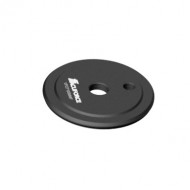
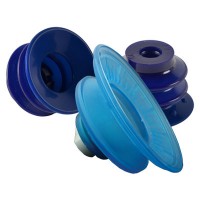
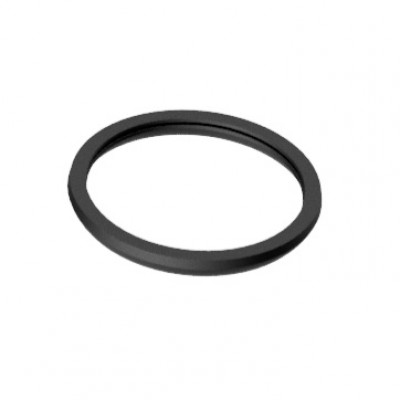
100mm EPDM Closed-Cell Foam Vacuum Cup Seal
This 100mm EPDM closed-cell foam vacuum cup seal provides flexible, conformable sealing for handling coarse, corrugated, embossed and uneven surfaces. The foam compresses against surface irregularities to help maintain vacuum on materials that are difficult to handle with conventional rubber suction cups.
Typical applications include diamond plate, rough-sawn wood, raw lumber, brick, stone, textured tiles and other irregular materials used in automated or manually operated vacuum lifting systems.
This page includes the calculated theoretical lifting force at 24"Hg / 80% vacuum using both metric and imperial engineering methods.
Technical Specifications
| Specification | Details |
|---|---|
| Nominal Seal Diameter | 100mm / 3.937" |
| Product Type | Replacement vacuum cup foam seal |
| Material | EPDM closed-cell foam rubber |
| Recommended Surface Types | Coarse, corrugated, embossed, uneven and lightly porous surfaces |
| Recommended Vacuum for Calculation | 24"Hg / approximately 80% vacuum |
| Nominal Metric Sealing Area | 78.54cm² |
| Nominal Imperial Sealing Area | 12.17in² |
| Effective Vacuum Pressure | 11.76 PSI at 80% vacuum |
| Estimated Theoretical Lifting Force | 62.8kg / 143.1lb |
| HTS Code | 4008.19.00 |
Estimated Lifting Force at 24"Hg
Theoretical lifting force is calculated using the nominal 100mm circular sealing area and an operating vacuum of approximately 80%. At sea level, atmospheric pressure is approximately 14.7 PSI. At 80% vacuum, the effective pressure differential is approximately 11.76 PSI.
Lifting Force Calculation
| Calculation Step | Metric | Imperial |
|---|---|---|
| Nominal Diameter | 100mm / 10cm | 3.937" |
| Nominal Radius | 5cm | 1.9685" |
| Nominal Area | π × 5² = 78.54cm² | π × 1.9685² = 12.17in² |
| Vacuum Level | 80% vacuum | 24"Hg / approximately 80% vacuum |
| Effective Pressure | Approximately 0.8kg per cm² | 14.7 PSI × 0.8 = 11.76 PSI |
| Estimated Theoretical Lift | 78.54 × 0.8 = 62.8kg | 12.17 × 11.76 = 143.1lb |
Important: The calculated lifting force is theoretical and assumes the entire nominal 100mm area is exposed to the vacuum pressure. The actual effective area may be smaller depending on the seal profile, mounting plate and internal vacuum opening.
A suitable engineering safety factor must always be applied. Actual lifting capacity will depend on surface porosity, texture, leakage, vacuum flow, seal compression, load orientation, acceleration and operating conditions.
Typical Applications
- Rough-sawn wood and raw lumber
- Diamond plate and embossed sheet metal
- Brick, concrete products and masonry components
- Natural and engineered stone
- Textured stone and ceramic tiles
- Corrugated and ribbed surfaces
- Irregular panels and construction materials
- Automated pick-and-place systems
- Manual vacuum lifting equipment
Why Use a Closed-Cell Foam Vacuum Seal?
Conventional suction cups generally perform best on smooth, flat and non-porous surfaces. A foam seal is more compliant and compresses into grooves, raised patterns and surface irregularities that would otherwise create vacuum leakage.
The closed-cell EPDM foam construction helps reduce air passage through the seal material while providing the flexibility needed to conform around coarse or embossed surfaces.
On porous materials, reliable handling also depends on the vacuum generator having sufficient flow capacity to compensate for air leakage through the workpiece.
EPDM Foam Material Information
EPDM foam rubber offers flexibility, resilience and resistance to many environmental operating conditions. Its compressible structure makes it suitable for sealing against rough, uneven and patterned workpieces.
Material compatibility should always be confirmed when the seal will be exposed to oils, chemicals, elevated temperatures or specialized production environments.
Frequently Asked Questions
What surfaces is this EPDM foam seal designed to handle? +
It is designed for coarse, corrugated, embossed and uneven surfaces such as diamond plate, rough-sawn wood, raw lumber, brick, stone and textured tiles.
Can this foam vacuum seal handle porous materials? +
It may be used on some porous materials, but the vacuum source must provide enough flow to compensate for air leakage through the workpiece. Application testing is recommended before determining the safe working load.
How much can the 100mm foam vacuum seal lift? +
Using the full nominal 100mm circular area, the theoretical lifting force at 24"Hg is approximately 62.8kg / 143.1lb. This is not the safe working load and does not account for the actual internal opening, leakage or application safety factor.
How is the imperial lifting force calculated? +
The 100mm diameter equals approximately 3.937 inches, producing a nominal area of 12.17 square inches. At 80% vacuum, the effective pressure is approximately 11.76 PSI. Therefore, 12.17 × 11.76 provides a theoretical force of approximately 143.1lb.
How is the metric lifting force calculated? +
A 100mm diameter equals 10cm, giving a nominal circular area of 78.54cm². At approximately 80% vacuum, the theoretical lifting force is 78.54 × 0.8, or approximately 62.8kg.
Why might the actual lifting force be lower? +
Actual force may be reduced by the internal vacuum opening, workpiece porosity, uneven seal compression, surface leakage, acceleration, side loading, contamination, vacuum losses and variations in operating altitude.
Does a safety factor still need to be applied? +
Yes. The calculated lifting force is theoretical. An appropriate engineering safety factor must be applied based on the load orientation, movement, acceleration, workpiece condition, vacuum level and risk of injury or product damage.
Is this a complete suction cup assembly? +
This product is an EPDM foam replacement seal. The compatible vacuum cup body, mounting plate, fitting or complete assembly may be supplied separately unless specifically included in the product listing.
Ships from Indianapolis, USA
- Stock: 48