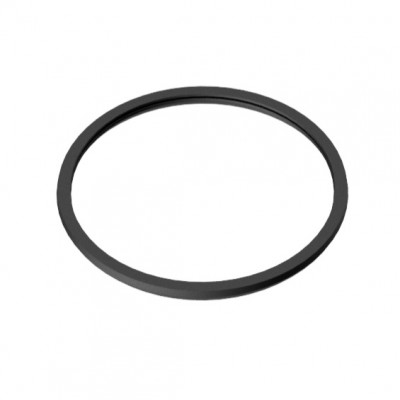
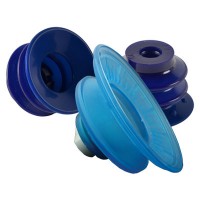
This 150mm EPDM closed-cell foam vacuum cup seal is designed to provide maximum contact and dependable vacuum grip on rough, coarse and uneven workpiece surfaces. The compressible foam adapts to surface irregularities that can prevent conventional rubber suction cups from forming a reliable seal.
Typical applications include sawmill timber, rough-sawn lumber, stone slabs, brick pavers, diamond plate, embossed materials and other irregular products handled by automated or manually operated vacuum lifting systems.
This page includes calculated theoretical lifting force at 80% vacuum in metric units and 24"Hg in imperial units.
150mm
Nominal Seal Diameter
141.4kg
Theoretical Lift at 80% Vacuum
322.1lb
Theoretical Lift at 24"Hg
EPDM Foam
Closed-Cell Material
Technical Specifications
Specification
Details
Nominal Seal Diameter
150mm / 5.906"
Product Type
Replacement vacuum cup foam seal
Material
EPDM closed-cell foam rubber
Recommended Surface Types
Rough, coarse, corrugated, embossed and uneven surfaces
Metric Calculation Vacuum Level
80% vacuum
Imperial Calculation Vacuum Level
24"Hg
Nominal Metric Sealing Area
176.71cm²
Nominal Imperial Sealing Area
27.39in²
Effective Imperial Vacuum Pressure
11.76 PSI at 24"Hg
Estimated Theoretical Lifting Force
141.4kg at 80% vacuum / 322.1lb at 24"Hg
HTS Code
4008.19.00
Estimated Theoretical Lifting Force
The lifting force is calculated using the full nominal 150mm circular sealing area. The metric calculation uses 80% vacuum, while the imperial calculation uses 24"Hg. At sea level, 24"Hg produces an effective pressure differential of approximately 11.76 PSI.
176.71cm²Nominal Metric Area
27.39in²Nominal Imperial Area
141.4kgMetric Lift at 80% Vacuum
322.1lbImperial Lift at 24"Hg
Lifting Force Calculation
Calculation Step
Metric
Imperial
Nominal Diameter
150mm / 15cm
5.906"
Nominal Radius
7.5cm
2.953"
Nominal Area
π × 7.5² = 176.71cm²
π × 2.953² = 27.39in²
Vacuum Level
80% vacuum
24"Hg
Effective Pressure
Approximately 0.8kg per cm²
14.7 PSI × 0.8 = 11.76 PSI
Estimated Theoretical Lift
176.71 × 0.8 = 141.4kg
27.39 × 11.76 = 322.1lb
Important: The calculated lifting force is theoretical and assumes that the complete nominal 150mm circular area is exposed to vacuum. The actual effective vacuum area may be smaller depending on the seal profile, mounting plate and internal opening.
An appropriate engineering safety factor must always be applied. Actual lifting capacity depends on surface texture, porosity, air leakage, seal compression, vacuum flow, load orientation, acceleration and operating conditions.
Typical Applications
Sawmill timber and rough-sawn lumber
Raw wood panels and construction lumber
Stone slabs and textured stone products
Brick pavers and masonry products
Diamond plate and embossed sheet metal
Corrugated and ribbed surfaces
Concrete products and irregular construction materials
Automated robotic pick-and-place systems
Manual vacuum lifting equipment
Why Use a 150mm Closed-Cell Foam Vacuum Seal?
The larger 150mm diameter provides increased contact area for handling larger or heavier workpieces. The compressible foam conforms around grooves, raised patterns and surface irregularities that can allow excessive leakage when using a conventional rubber suction cup.
Closed-cell EPDM foam helps restrict air movement through the seal material while providing the flexibility required to form a seal against rough, coarse and embossed surfaces.
Reliable handling of porous or highly textured products also depends on the vacuum source supplying sufficient airflow to compensate for leakage through and around the workpiece.
EPDM Foam Material Information
EPDM closed-cell foam rubber provides flexibility, resilience and compressibility for vacuum handling applications involving uneven workpieces. Its compliant construction allows the seal to adapt to changing surface heights and irregular material profiles.
Material compatibility should be confirmed before exposure to oils, chemicals, elevated temperatures or specialized production environments.
Frequently Asked Questions
What surfaces is this 150mm EPDM foam seal designed for?
+
It is designed for rough, coarse, embossed and uneven materials such as sawmill timber, rough-sawn lumber, stone slabs, brick pavers, diamond plate and textured construction products.
How much can the 150mm foam vacuum seal lift?
+
Using the full nominal 150mm circular area, the calculated theoretical lifting force is approximately 141.4kg at 80% vacuum or 322.1lb at 24"Hg. This is not the safe working load.
How is the metric lifting force calculated?
+
A 150mm diameter equals 15cm and has a nominal circular area of approximately 176.71cm². At 80% vacuum, the theoretical force is 176.71 × 0.8, which equals approximately 141.4kg.
How is the imperial lifting force calculated?
+
The 150mm diameter equals approximately 5.906 inches, producing a nominal area of 27.39 square inches. At 24"Hg, the effective pressure is approximately 11.76 PSI. Therefore, 27.39 × 11.76 provides a theoretical force of approximately 322.1lb.
Can this foam seal handle porous materials?
+
The foam seal is intended primarily to conform to rough and uneven surfaces. Some porous materials may also be handled, but the vacuum source must provide enough flow to compensate for leakage. Application testing is required.
Why could the actual lifting force be lower than the calculated value?
+
Actual force may be reduced by the internal vacuum opening, workpiece porosity, surface leakage, uneven compression, contamination, acceleration, side loading, vacuum losses and variations in operating altitude.
Does a safety factor need to be applied?
+
Yes. The stated figures are theoretical. An appropriate engineering safety factor must be applied based on load orientation, acceleration, surface condition, leakage, vacuum level and the risk of injury or product damage.
Is this a complete vacuum cup assembly?
+
This product is an EPDM foam replacement seal. The compatible vacuum cup body, backing plate, fitting or complete vacuum assembly may be supplied separately unless specifically included in the product listing.
150mm Anodized Aluminum Fitting for VS150-E EPDM Foam Vacuum SealThe VFCF150MMF is a precision-machined anodized-aluminum vacuum fitting designed to a..
Vacuum Valve 1 NPT Solenoid ExternalThe Pneuforce solenoid vacuum poppet valve, part number 3VJZF-25EP, is designed for electrically controlled vacuum..