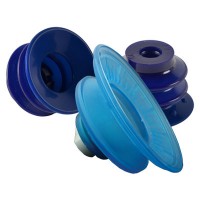
Round Foam Seal Suction Cups for Rough and Uneven Surfaces
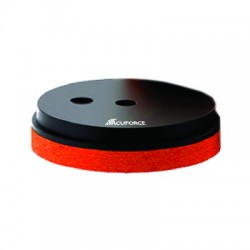
Pneuforce round foam seal suction cups are designed for vacuum handling applications where conventional rubber suction cups cannot create an effective seal. Manufactured from closed-cell natural rubber foam with a self-adhesive backing, these foam sealing cups compress against rough, uneven, textured and embossed surfaces to create a reliable vacuum seal.
Round foam suction cups are commonly used in vacuum lifting systems, robotic end-of-arm tooling, CNC loading equipment and industrial automation for handling materials such as rough sawn lumber, concrete pavers, brick, patio stones, textured plastics, cast metal components, embossed sheet metal and diamond plate.
Download Vacuforce Vacuum Cup Datasheet View Complete Foam Seal Cup SeriesRound Foam Suction Cup Features
- Closed-cell natural rubber foam sealing surface
- Self-adhesive backing for simple installation
- Designed for rough, uneven and textured surfaces
- Excellent sealing on embossed and irregular materials
- Available in multiple diameters
- Ideal for vacuum lifting and robotic automation
- Simple replacement when worn
- Designed for industrial vacuum handling systems
What Is a Foam Seal Suction Cup?
A foam seal suction cup uses a compressible closed-cell foam sealing surface instead of a traditional rubber sealing lip. The foam compresses into surface irregularities, helping the cup seal against rough, uneven or textured materials that would normally leak under a standard suction cup.
This makes foam seal suction cups useful for difficult vacuum handling applications where the surface is not smooth enough for a conventional flat or bellows suction cup.
Why Choose Foam Sealing Cups?
Many industrial products have rough, uneven or embossed surfaces that prevent conventional suction cups from creating an airtight seal. Foam sealing cups overcome this challenge by compressing into surface irregularities, allowing a reliable vacuum seal where standard rubber suction cups cannot.
They are especially useful for handling construction materials, timber products, textured manufactured parts and industrial components with raised or recessed surface patterns.
Common Applications
- Rough Sawn Lumber
- Concrete Pavers and Patio Stones
- Brick and Masonry Products
- Diamond Plate
- Embossed Sheet Metal
- Cast Metal Components
- Textured Plastic Products
- Robotic Pick-and-Place Systems
- Vacuum Lifting Equipment
Choosing the Correct Foam Suction Cup
Select the foam suction cup based on the product size, weight, surface texture, available vacuum level and required holding force. Larger foam sealing surfaces generally provide better sealing on heavily textured or uneven materials, while multiple cups can improve stability when handling larger workpieces.
Frequently Asked Questions
What is a foam seal suction cup?
A foam seal suction cup uses a compressible closed-cell foam sealing surface instead of a traditional rubber sealing lip to grip rough, uneven and textured materials.
What materials can foam suction cups handle?
They are commonly used for rough sawn wood, brick, concrete pavers, patio stones, embossed metal, diamond plate, textured plastics and cast components.
Why won't a standard suction cup work on rough surfaces?
Conventional suction cups require a relatively smooth surface to form an airtight seal. Foam suction cups compress around surface irregularities, allowing them to seal where standard cups cannot.
What is closed-cell foam?
Closed-cell foam contains sealed air cells that help maintain vacuum sealing performance while providing compression and recovery against uneven surfaces.
What is the purpose of the self-adhesive backing?
The self-adhesive backing allows the foam sealing surface to be installed or replaced quickly when worn.
Are foam suction cups suitable for robotic EOAT?
Yes. They are widely used on robotic end-of-arm tooling, vacuum lifting equipment and automated material handling systems.
Can foam suction cups handle rough or uneven surfaces?
Yes. Foam sealing cups are specifically designed for rough, uneven, textured and embossed surfaces where conventional suction cups cannot create an effective vacuum seal.
How do I choose the correct foam suction cup?
Choose the cup based on product weight, surface texture, vacuum level, gripping area and the number of cups required to safely support the load.