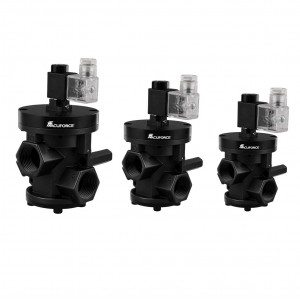
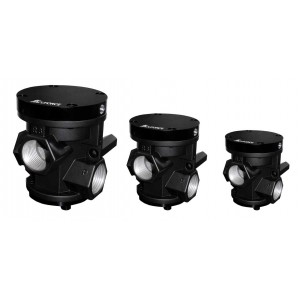
Vacuum Valves for Industrial Vacuum Automation Systems
Vacuum valves are specifically designed for vacuum handling systems where maximum vacuum flow, rapid response and reliable vacuum control are required. Unlike standard pneumatic valves, dedicated vacuum valves feature oversized internal flow passages, optimized sealing technology and vacuum-specific designs that minimize flow restriction and improve overall vacuum system performance.
Vacuforce vacuum valves are commonly used in robotic pick-and-place systems, vacuum cup applications, packaging machinery, CNC loading systems, palletizing equipment, sheet metal handling systems and industrial vacuum automation. By using valves specifically designed for vacuum service, users can achieve faster evacuation times, improved grip reliability and more efficient vacuum system operation.
Download Vacuum Valves Datasheet PDF
What Is a Vacuum Valve?
A vacuum valve controls the flow of vacuum within a vacuum handling system. The valve can switch vacuum on and off, isolate vacuum circuits, release products from suction cups or redirect vacuum flow between multiple circuits. Vacuum valves are a critical component in automated vacuum gripping systems because they determine how quickly vacuum is generated, maintained and released.
Because vacuum systems operate with significantly lower pressure differentials than compressed air systems, valve flow performance becomes extremely important. Even small restrictions can reduce vacuum response times and affect gripping performance.
Why Use a Dedicated Vacuum Valve?
Many automation systems mistakenly use standard pneumatic valves in vacuum applications. While this may work in some cases, dedicated vacuum valves offer significantly better performance because they are designed specifically for vacuum flow characteristics.
- Oversized Internal Orifices: Maximize vacuum flow and reduce pressure losses.
- Faster Evacuation Times: Improve pickup speed and machine cycle times.
- Improved Vacuum Retention: Reduce leakage and improve holding performance.
- Better Release Control: Allow rapid product release when required.
- Optimized for Vacuum Service: Designed specifically for vacuum handling applications.
Types of Vacuum Valves Available
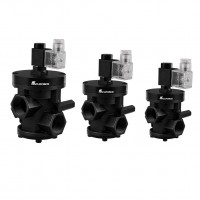
- Direct Acting Solenoid Vacuum Valves: Electrically actuated valves ideal for rapid switching and automated handling systems.
- Pilot Assisted Solenoid Poppet Valves: Use a pilot signal to assist valve operation while maintaining high vacuum flow capacity.
- Pilot Actuated Poppet Valves: Designed for applications requiring pneumatic control and precise vacuum flow management.
Note: Solenoid coils are typically ordered separately, allowing users to select the correct voltage and electrical configuration for their application.
How Vacuum Valves Work
Vacuum valves open and close the vacuum circuit between the vacuum source and the vacuum cups or tooling. When activated, the valve allows vacuum to reach the suction cups and grip the product. When deactivated, the valve isolates the vacuum source or allows atmospheric air to enter the system, releasing the product.
In automated handling systems, vacuum valves often work together with vacuum generators, vacuum sensors, vacuum filters and blow-off circuits to create a complete vacuum control solution.
Common Applications for Vacuum Valves
- Vacuum cup handling systems
- Robotic pick-and-place automation
- Packaging machinery
- Carton handling equipment
- Sheet metal handling
- CNC router loading and unloading
- Glass handling systems
- Plastic part handling
- Palletizing systems
- Vacuum end-of-arm tooling
Vacuum Valves vs Standard Pneumatic Valves
Although standard pneumatic valves can sometimes be used in vacuum systems, they are often not optimized for vacuum flow. Dedicated vacuum valves generally feature larger internal flow paths and reduced restrictions, allowing vacuum generators and vacuum pumps to operate more efficiently.
For high-speed vacuum automation systems, using a proper vacuum valve can significantly improve cycle times and overall machine performance.
Frequently Asked Questions
What is a vacuum valve used for?
A vacuum valve controls the flow of vacuum within a vacuum handling system. It is used to switch vacuum on and off, isolate circuits, release products and control vacuum flow.
Can I use a standard pneumatic valve for vacuum?
In some applications yes, but dedicated vacuum valves generally provide significantly better performance because they are designed with larger internal flow passages and vacuum-specific sealing characteristics.
Why do vacuum valves have larger internal orifices?
Vacuum systems operate with smaller pressure differentials than compressed air systems. Larger internal orifices help reduce restrictions and maximize vacuum flow.
What is the difference between a direct acting and pilot assisted vacuum valve?
Direct acting valves operate directly from the solenoid force, while pilot assisted valves use a pilot stage to help move the main valve element, often allowing larger flow capacities.
Do vacuum valves improve cycle times?
Yes. Properly sized vacuum valves reduce flow restrictions and help achieve faster vacuum buildup and release, improving machine productivity.
Do vacuum valves require separate solenoid coils?
Many vacuum valve models require coils to be ordered separately so the correct voltage and electrical configuration can be selected.
Where are vacuum valves commonly used?
Vacuum valves are commonly used in robotic handling systems, packaging machinery, palletizing systems, vacuum cup tooling, CNC automation and industrial vacuum equipment.
How do I choose the correct vacuum valve?
Select a vacuum valve based on required flow rate, vacuum level, response speed, control method, port size and the number of vacuum cups or circuits being controlled.

 .pf-pneumatic-components-category{width:100%;font-family:Arial,Helvetica,sa..
 .pf-zh-venturi-category{ width:100%; font-family:Arial,Helvetica,sans-s..
 .vf-red-category{width:100%;font-family:Arial,Helvetica,sans-serif;line-hei..
 .vf-red-category{width:100%;font-family:Arial,Helvetica,sans-serif;line-hei..
 .vf-red-category{width:100%;font-family:Arial,Helvetica,sans-serif;line-hei..
 .vf-red-category{width:100%;font-family:Arial,Helvetica,sans-serif;line-hei..
 .pf-vtm-venturi-category{ width:100%; font-family:Arial,Helvetica,sans-..
 .pf-venturi-cartridge-category{ width:100%; font-family:Arial,Helvetica..
 .pf-pneumatic-components-category{width:100%;font-family:Arial,Helvetica,sa..
 .pf-cv-venturi-category{ width:100%; font-family:Arial,Helvetica,sans-s..
 .pf-vfmc-category{ width:100%; font-family:Arial,Helvetica,sans-serif; ..
 .vf-red-category{width:100%;font-family:Arial,Helvetica,sans-serif;line-hei..
 .vf-red-category{width:100%;font-family:Arial,Helvetica,sans-serif;line-hei..
 .vf-red-category{width:100%;font-family:Arial,Helvetica,sans-serif;line-hei..
 .vf-red-category{width:100%;font-family:Arial,Helvetica,sans-serif;line-hei..
 .pf-vabs-venturi-category{ width:100%; font-family:Arial,Helvetica,sans..
 .vf-red-category{width:100%;font-family:Arial,Helvetica,sans-serif;line-hei..
 .vf-red-category{width:100%;font-family:Arial,Helvetica,sans-serif;line-hei..
 .vf-red-category{width:100%;font-family:Arial,Helvetica,sans-serif;line-hei..
 .vf-red-category{width:100%;font-family:Arial,Helvetica,sans-serif;line-hei..
 .pf-bellows-cups-category{ width:100%; font-family:Arial,Helvetica,sans..
 .pf-flat-cups-category{ width:100%; font-family:Arial,Helvetica,sans-se..
 .vf-red-category{width:100%;font-family:Arial,Helvetica,sans-serif;line-hei..
 .pf-heavy-duty-cups-category{ width:100%; font-family:Arial,Helvetica,s..
 .pf-conductive-silicone-suction-cups-category{ font-family:Arial,Helvetic..
 .vf-red-category{width:100%;font-family:Arial,Helvetica,sans-serif;line-hei..
 .vf-red-category{width:100%;font-family:Arial,Helvetica,sans-serif;line-hei..
 .pf-foam-seal-cups-category{ width:100%; font-family:Arial,Helvetica,sa..
 .vf-red-category{width:100%;font-family:Arial,Helvetica,sans-serif;line-hei..
 .pf-pneumatic-components-category{width:100%;font-family:Arial,Helvetica,sa..
 .pf-pneumatic-components-category{width:100%;font-family:Arial,Helvetica,sa..
 .pf-pneumatic-components-category{width:100%;font-family:Arial,Helvetica,sa..
 .pf-pneumatic-components-category{width:100%;font-family:Arial,Helvetica,sa..
 .pf-pneumatic-components-category{width:100%;font-family:Arial,Helvetica,sa..
 .pf-pneumatic-components-category{width:100%;font-family:Arial,Helvetica,sa..
 .pf-pneumatic-components-category{width:100%;font-family:Arial,Helvetica,sa..
 .vf-red-category{width:100%;font-family:Arial,Helvetica,sans-serif;line-hei..
 .pf-vacuum-filter-disks-category{ font-family:Arial,Helvetica,sans-serif; c..
 .pf-inline-vacuum-filters-category{ font-family:Arial,Helvetica,sans-serif;..
 .vf-product-category{ font-family:Arial,Helvetica,sans-serif; color:#33..
 .pf-vacuum-bowl-filters-category{ font-family:Arial,Helvetica,sans-serif; c..
 .vf-red-category{width:100%;font-family:Arial,Helvetica,sans-serif;line-hei..
 .pf-blue-category{width:100%;font-family:Arial,Helvetica,sans-serif;color:#..
 .pf-solenoid-poppet-valves-category{ font-family:Arial,Helvetica,sans-serif..
 .pf-full-port-vacuum-valves-category{ font-family:Arial,Helvetica,sans-seri..
 .pf-barracuda-gripper{ font-family:Arial,Helvetica,sans-serif; font-size:16..
 .vf-red-category{width:100%;font-family:Arial,Helvetica,sans-serif;line-hei..
 Vacuum Grippers for Robotic Pick and Place Automation Vacuforce vacuum gr..
 .vf-red-category{width:100%;font-family:Arial,Helvetica,sans-serif;line-hei..
 .pf-plastic-push-to-connect-fittings-category{ font-family:Arial,Helvetic..
 .pf-stainless-pushin-category{ font-family:Arial,Helvetica,sans-serif; ..
 .pf-metal-push-in-fittings-category{ font-family:Arial,Helvetica,sans-serif..
 .pf-flow-control-category{ font-family:Arial,Helvetica,sans-serif; colo..
 ..
.. .pf-blue-category{width:100%;font-family:Arial,Helvetica,sans-serif;color:#..
 .pf-pneumatic-components-category{width:100%;font-family:Arial,Helvetica,sa..
 .pf-pneumatic-components-category{width:100%;font-family:Arial,Helvetica,sa..
 .pf-blue-category{width:100%;font-family:Arial,Helvetica,sans-serif;color:#..
 .pf-blue-category{width:100%;font-family:Arial,Helvetica,sans-serif;color:#..
 .pf-blue-category{width:100%;font-family:Arial,Helvetica,sans-serif;color:#..
 .pf-air-filter-category{ font-family:Arial,Helvetica,sans-serif; color:..
 .pf-pressure-regulator-category{ font-family:Arial,Helvetica,sans-serif; ..
 .pf-air-lubricator-category{ font-family:Arial,Helvetica,sans-serif; co..
 .pf-filter-regulator-category{ font-family:Arial,Helvetica,sans-serif; ..
 .pf-pneumatic-components-category{width:100%;font-family:Arial,Helvetica,sa..
 .pf-blue-category{width:100%;font-family:Arial,Helvetica,sans-serif;color:#..
 .pf-air-pilot-valve-category{ font-family:Arial,Helvetica,sans-serif; c..
 .pf-brass-solenoid-category{ width:100%; font-family:Arial,Helvetica,sa..
 .pf-stainless-solenoid-category{ font-family:Arial,Helvetica,sans-serif; ..
 .pf-pneumatic-components-category{width:100%;font-family:Arial,Helvetica,sa..
 .pf-blue-category{width:100%;font-family:Arial,Helvetica,sans-serif;color:#..
 .pf-manual-valves-category{ font-family:Arial,Helvetica,sans-serif; col..
 .pf-automatic-valves-category{width:100%;font-family:Arial,Helvetica,sans-s..
 .pf-blue-category{width:100%;font-family:Arial,Helvetica,sans-serif;color:#..
 .pf-blue-category{width:100%;font-family:Arial,Helvetica,sans-serif;color:#..
 .pf-blue-category{width:100%;font-family:Arial,Helvetica,sans-serif;color:#..
 .pf-pneumatic-components-category{width:100%;font-family:Arial,Helvetica,sa..
 .pf-blue-category{width:100%;font-family:Arial,Helvetica,sans-serif;color:#..
 .pf-blue-category{width:100%;font-family:Arial,Helvetica,sans-serif;color:#..
 .pf-pneumatic-components-category{width:100%;font-family:Arial,Helvetica,sa..
 .pf-pneumatic-components-category{width:100%;font-family:Arial,Helvetica,sa..
 .pf-blue-category{width:100%;font-family:Arial,Helvetica,sans-serif;color:#..
 .pf-pneumatic-components-category{width:100%;font-family:Arial,Helvetica,sa..